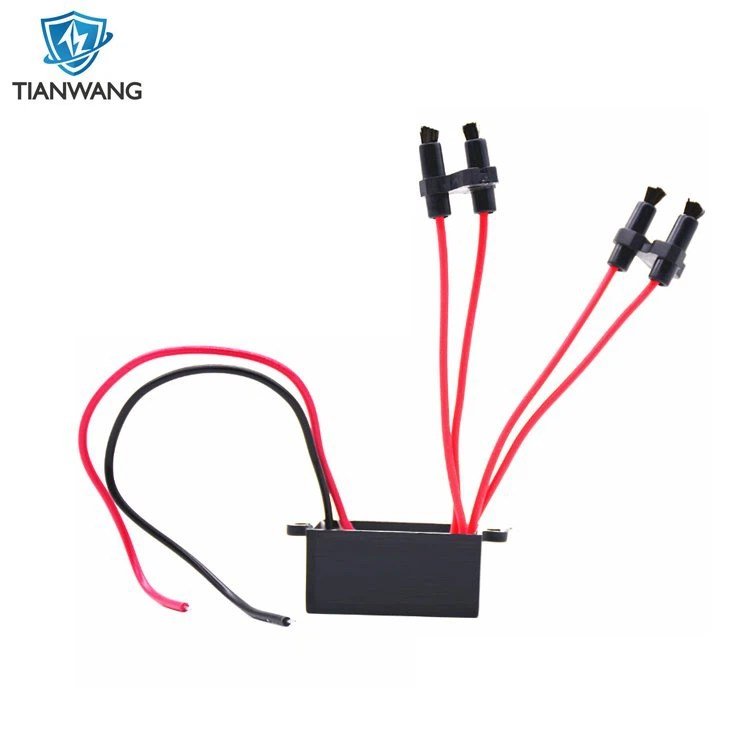
In our quest for healthier living spaces, the air we breathe indoors often goes unnoticed. Yet, it's frequently more polluted than the air outside. This is where negative ion generators step in, promising a breath of fresh air by actively working to remove microscopic particles from your environment. These devices, sometimes known as air ionizers or even Chizhevsky's chandeliers, utilize a fascinating electrical process to transform the air around you.
At their core, negative ion generators are designed to produce a stream of negatively charged particles – atoms or molecules that have gained an extra electron. These "anions" then go to work, engaging with airborne pollutants and significantly contributing to a cleaner, fresher indoor atmosphere.
What Are Negative Ion Generators? The Science of Cleaner Air
Imagine tiny, invisible helpers actively seeking out and neutralizing airborne threats in your home or office. That's essentially what a negative ion generator does. These devices operate by using high voltage to ionize air molecules, creating those beneficial negative ions. Conversely, positive ions, or "cations," are air molecules that have lost an electron. The magic happens when these negatively charged ions attach themselves to positively charged airborne particles like dust, pollen, pet dander, mold spores, and even certain bacteria and viruses.
Once charged, these particles become heavier and are attracted to nearby earthed surfaces, effectively removing them from the air you breathe. This process is a testament to how elegantly physics can be applied to improve our daily lives. To truly grasp the intricate workings and scientific principles, we invite you to Explore negative ion technology in more detail.
Clearing the Air: Why Negative Ions Matter for Your Home
The journey of air ionizers began long ago, with Alexander Chizhevsky creating the first air ionizer in 1918 for ion therapy, initially for agricultural animal health. Decades later, Cecil Alfred "Coppy" Laws brought this innovation into our homes. Today, the primary benefit of these devices remains their ability to purify air by removing particulate matter.
From Particles to Pathogens: The Impact on Indoor Air Quality
Research has consistently highlighted the effectiveness of negative air ions in tackling particulate matter. A significant 2018 review underscored their high efficiency in this regard. Beyond just dust, there's evidence suggesting a broader impact on air hygiene. For instance, NHS research noted that a negative air ionizer successfully eliminated recurring airborne Acinetobacter infections in a British hospital ward. Manufacturers have also observed that both positive and negative ions from air conditioning systems can inactivate viruses, including influenza. During the SARS epidemic, personal ionizers saw increased demand in East Asia, even finding their way into everyday products like toothbrushes and refrigerators in Japan. If you're curious about the full spectrum of advantages, delve into the Health and Wellness Benefits of negative ions for a comprehensive understanding.
Navigating the World of Ionizers: Types and Applications
Not all negative ion generators are created equal. The market offers a variety of designs, each with specific advantages that cater to different needs and environments. Understanding these differences is key to selecting the right device for you.
Fanless vs. Fan-Based: Finding Your Fit
Essentially, you'll find two main types of ionic air purifiers:
- Fanless Ionizers: These devices operate silently and are highly energy-efficient, as they don't rely on a motor. They distribute air slowly, purifying it over a longer period, making them ideal for continuous, unobtrusive operation in quieter spaces.
- Fan-Based Ionizers: Equipped with a fan, these types circulate air more rapidly, leading to quicker purification. However, they are generally noisier and consume more energy due to the fan mechanism.
Deciding between these often comes down to your priorities: silent, slow purification versus faster, potentially noisier action. To get a deeper dive into these options and their ideal scenarios, Learn about negative ion generators Explore their varied forms and functions.
Beyond the Home: Where Ionizers Make a Difference
While often discussed in the context of improving home air quality, air ionizers also play a critical role in specialized environments. In microelectronics cleanrooms, for instance, they are indispensable for eliminating static charge buildup on sensitive non-conductors. Here, work is typically performed over a dissipative table mat and under an ionizer's air gush for slow, controlled discharge, protecting delicate components from electrostatic damage. However, it’s important to note that ionization effect falls sharply with distance, limiting its use to items immediately adjacent to the ionizer.
Addressing the Concerns: Ozone, Effectiveness, and Safety
While the benefits of negative ion generators in particle removal are clear, it's crucial to address common concerns and misconceptions. The primary concern often revolves around ozone production and the overall effectiveness compared to other air purification methods.
The Ozone Question: A Critical Look
A key point of discussion for ionizers is their potential to produce ozone (O3) as an unwanted byproduct. While ionizers are designed to produce air ions, primarily negative ones, and not ozone, a small amount can be generated. It's important to distinguish them from ozone generators, which are optimized specifically for ozone production. Public health standards for ozone concentrations are stringent because high levels are toxic to humans and animals, potentially damaging lungs and olfactory bulb cells. The U.S. FDA, for example, states ozone has no place in medical treatment and has taken action against businesses offering "ozone therapy." A daily average exceeding 0.1 ppm (100 ppb, 0.2 mg/m3) is not recommended. Furthermore, ozone can react with cleaning agents to increase indoor pollutants like formaldehyde.
Concerns about ozone generation are valid, and studies have shown that some negative ion generators can exceed guidelines in small, non-ventilated areas. This highlights the importance of choosing devices certified to meet strict indoor ozone limits, like those listed by the California Air Resources Board (0.050 parts per million).
The Effectiveness Debate: CADR and Beyond
In October 2003, Consumer Reports stated that air ionizers did not perform as well as conventional HEPA filters, citing a low Clean Air Delivery Rate (CADR). This sparked a lawsuit from The Sharper Image, an ionizer manufacturer, which argued CADR was an inappropriate metric for their products, emphasizing their 24-hour continuous cleaning, ease of maintenance, and silent operation. The lawsuit was dismissed, with the court ruling against The Sharper Image for failing to prove Consumer Reports' statements false. This incident underscores the importance of understanding appropriate metrics for different purifier technologies.
Regarding health impacts beyond particle removal, a 2013 review of 80 years of research found no clear support for any beneficial or detrimental role of air ions in respiratory function. While some weak evidence links negative air ionization to lower depression scores, particularly at the highest exposure level, no consistent influence on anxiety, mood, relaxation, sleep, or personal comfort was observed. To navigate these critical considerations and ensure you're choosing a safe and effective product, it's essential to Understand ionizer safety and ozone Ionizer technology thoroughly.
Making an Informed Choice for Cleaner Air
Choosing an air purification device is an important decision for your home and health. With negative ion generators, the key is to prioritize certified products that ensure safety, particularly regarding ozone emissions. Look for devices that meet recognized standards and come from reputable manufacturers. Consider your specific needs—do you need silent operation, rapid air circulation, or are you primarily concerned with static charge removal in a unique setting?
By carefully weighing the technology, understanding potential concerns like ozone production, and matching device types to your environment, you can make an informed choice. Ready to explore the best options for your space? Our comprehensive Buyers Guide: Choosing the Best negative ion generator will walk you through everything you need to know.
As we continue to seek ways to enhance our indoor environments, negative ion generators offer a compelling solution for particle removal and improved air quality. By understanding their science, acknowledging their limitations, and prioritizing safety, you can harness their benefits to create a healthier, fresher living space.