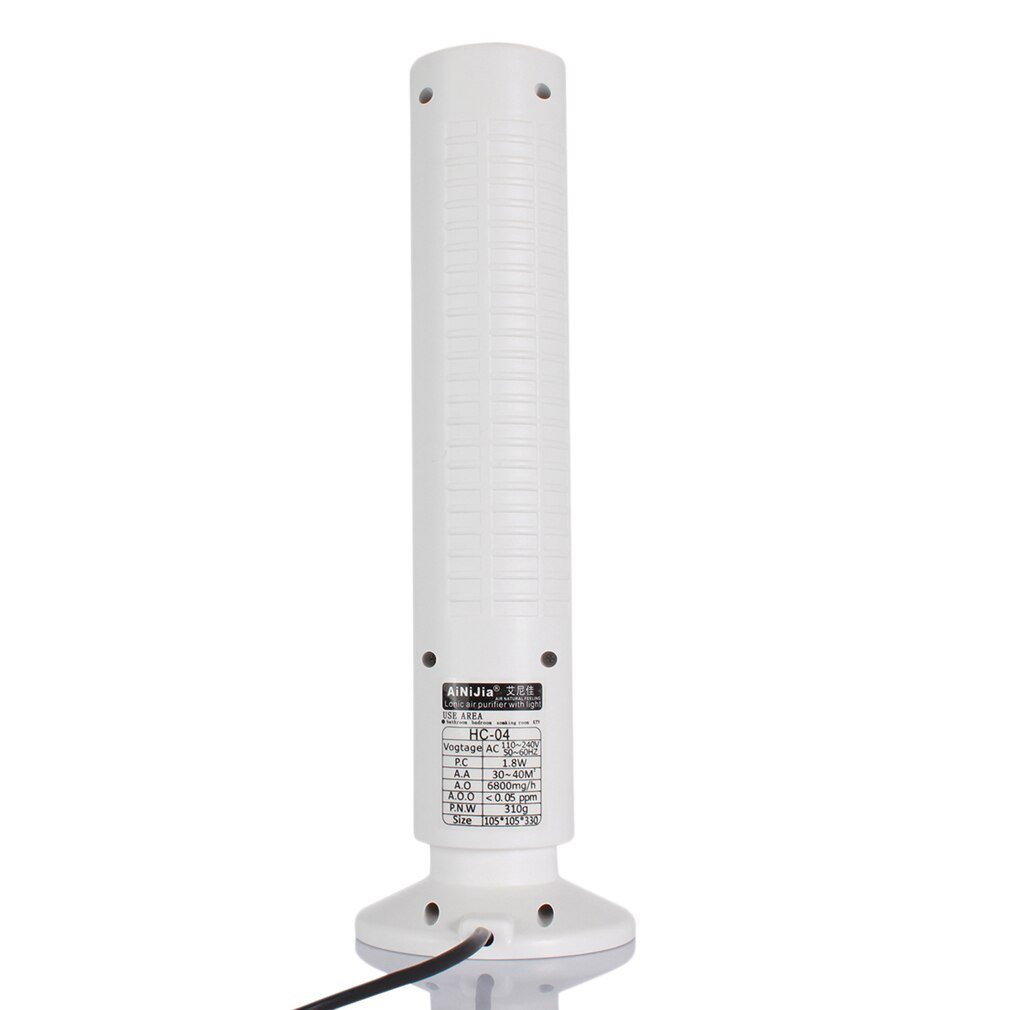
Breathing easy indoors shouldn't be a luxury, yet our homes and offices are often battlegrounds against invisible pollutants—dust, allergens, viruses, PM2.5, VOCs, and more. When you’re looking to clear the air, you’ll quickly encounter a dizzying array of technologies, with negative ion generators often highlighted alongside more complex other air purification systems. But how do they stack up, and which one truly delivers the clean, healthy air you deserve without unwanted side effects?
This guide cuts through the noise, offering an expert-level comparison to help you make informed decisions about indoor air quality. We'll demystify the science, weigh the pros and cons, and guide you toward the best solution for your unique needs.
At a Glance: Key Takeaways for Cleaner Air
- Negative Ion Generators mimic nature, making airborne particles too heavy to float. They can enhance mood and reduce small particle exposure, but require diligent vacuuming to remove fallen pollutants and some models may produce ozone.
- Ozone Generators are powerful sanitizers but extremely hazardous to health; never use them in occupied spaces.
- Bipolar Ionization and Plasma Technology offer broader pathogen control and filter-free operation, often integrating into HVAC systems, but also carry potential ozone risks if poorly designed.
- Hydroxyl Radical Generators use water vapor to neutralize pollutants without ozone, acting like nature's safe detergent.
- Safety First: Always prioritize systems certified to produce minimal or no ozone. The EPA warns against ozone's health risks.
- No One-Size-Fits-All: Your ideal system depends on your specific pollutants, space size, budget, and sensitivity to potential byproducts.
Decoding the Air We Breathe: Why Purification Matters
Indoor air quality can be significantly worse than outdoor air, thanks to sealed buildings and a constant influx of pollutants from cooking, cleaning products, building materials, pets, and even our own bodies. These microscopic invaders — from dust mites and pollen to viruses and Volatile Organic Compounds (VOCs) — don't just trigger allergies; they can impact long-term respiratory health, cognitive function, and general well-being.
Air purification technologies work by either trapping these pollutants, breaking them down chemically, or neutralizing them using charged particles or radicals. Understanding how each method works is crucial, especially when evaluating potential benefits against any possible risks.
The Contenders: A Deep Dive into Air Purification Technologies
Let's explore the leading technologies vying for a spot in your home or office, beginning with our star player, negative ion generators.
1. Negative Ion Generators: Nature's Refreshing Touch
Imagine the crisp, invigorating air near a waterfall or after a thunderstorm. That's the feeling negative ions bring. These devices release negatively charged oxygen atoms (O–) into the air, which seek out and attach to positively charged airborne pollutants like dust, pollen, pet dander, and smoke particles. This electrostatic attraction makes the combined particle too heavy to remain suspended, causing it to fall onto surfaces or stick to walls.
How They Work: Your generator produces a stream of electrons, which then attach to oxygen molecules in the air, creating negative ions. These ions act like tiny magnets, grabbing onto pollutants.
The Upside of Negative Ions:
- Particle Reduction: Highly effective at removing fine airborne particles, which are often the most problematic for respiratory health. This can significantly lower your exposure to small particles in the lungs.
- Fresh Feel: Many users report a noticeable "freshness" in the air, similar to being outdoors in nature. This isn't just a subjective feeling; it’s due to increased ion concentrations, akin to those found in waterfalls (10,000–100,000 ions/cm³) or forests (1,000–10,000 ions/cm³), far exceeding typical urban (100–1,000 ions/cm³) or indoor levels (50–100 ions/cm³).
- Potential Mood & Wellness Benefits: Research suggests that exposure to negative ions can contribute to mood enhancement, stress reduction, improved sleep quality, and increased energy levels.
- Generally Stable: Negative ions are stable and naturally occurring, unlike some other reactive purification agents.
- Low Maintenance: Typically require little more than occasional cleaning of surfaces where particles have settled, with no filters to replace.
The Downside: - Surface Settling: The primary "con" is that while particles are removed from the air, they don't disappear from your environment. They simply fall onto floors, furniture, and walls. This means you need a consistent cleaning routine (vacuuming, dusting) to prevent them from becoming re-aerosolized.
- Potential Ozone Production: Some negative ion generators, particularly older or poorly designed models, can produce ozone as a byproduct. While low levels are generally safe, consistent exposure to elevated ozone can be harmful. It's crucial to choose models specifically certified as low-ozone or ozone-free.
- Doesn't Destroy Pollutants: Unlike technologies that break down VOCs or kill bacteria, negative ions primarily remove particles by making them drop. They won't neutralize odors or destroy pathogens on their own.
Ideal Applications: - Poorly Ventilated Rooms: Excellent for improving general air quality where fresh air circulation is limited.
- Bedrooms: Can provide allergy relief by clearing the air of dust and pollen, potentially enhancing sleep.
- Offices/Classrooms: May boost mood and focus in environments with many people.
Actionable Insights: If you're considering this technology, always look for models with third-party certifications (like California Air Resources Board - CARB) that confirm low or no ozone emissions. And remember, a good vacuum cleaner becomes your best friend. For a deeper dive into this technology, you can learn about negative ion generators and how they work.
2. Ozone Generators: Powerful but Perilous
Ozone (O3) generators create ozone by splitting oxygen molecules (O2) with electricity or UV light. This O3 then reacts with and breaks down pollutants, including strong odors from smoke, mold, and even chemical spills.
The Upside:
- Strong Odor Removal: Unparalleled at eliminating stubborn odors.
- Mold Killing: Highly effective at sanitizing surfaces and inhibiting mold growth.
The Downside: - High Health Risks: This is a critical point. Ozone is a lung irritant that can cause chest pain, coughing, shortness of breath, and worsen asthma and other respiratory conditions. The EPA explicitly advises against the use of ozone generators in occupied spaces.
- New Pollutant Creation: Ozone can react with common indoor chemicals to create new, potentially more harmful, pollutants.
- Unstable: Ozone is unstable and breaks down quickly, which means it needs to be continuously generated to be effective, increasing exposure risk.
Ideal Applications: - Unoccupied Scenarios ONLY: Think fire damage restoration, deodorizing hotel rooms between guests, or basements with severe mold issues where no humans or pets are present.
Actionable Insights: If you absolutely must use an ozone generator, ensure the space is completely empty, and ventilate thoroughly for several hours after treatment before re-entering. Consider professional services for severe issues rather than DIY.
3. Bipolar Ion Generators: The Balanced Approach
Bipolar ionizers release both positive and negative ions simultaneously. These ions then cluster around airborne particles, causing them to clump together and fall out of the air. This technology aims to create a balanced ion environment, mimicking natural outdoor air more closely than purely negative ion systems.
How They Work: A charge is applied to the air, splitting water vapor molecules into positive hydrogen ions and negative oxygen ions. These charges then bind to particles.
The Upside:
- Inactivates Viruses & Bacteria: More advanced than simple negative ionizers, bipolar systems are often touted for their ability to inactivate airborne viruses and bacteria, making them clump and drop, or damaging their cellular structure.
- Effective Odor Reduction: Can significantly reduce a wide range of odors.
- Low Energy Use: Typically consume very little power.
- Broad Pathogen Control: Offers more comprehensive pathogen control compared to single-polarity ionizers.
The Downside: - Possible Ozone Generation: Like negative ionizers, if not well-designed, bipolar ionizers can produce ozone. Due diligence on certifications is key.
- Installation: Often integrated into HVAC systems, requiring professional installation for whole-building coverage.
Ideal Applications: - Whole-Building Coverage: Popular in commercial spaces like schools, hospitals, and offices for airborne infection control.
- Large Living Spaces: Excels where constant airflow from HVAC systems can circulate ions effectively throughout a space.
4. Plasma Technology: The Versatile Ionizer
Plasma technology uses electrical discharges to create plasma—a state of matter containing charged particles—which then generates ions, UV light, and sometimes ozone, to break down contaminants. Cold plasma variants specifically focus on ion production to oxidize VOCs, bacteria, and viruses.
How They Work: High-voltage electricity ionizes gases, creating a reactive plasma that breaks down pollutants at a molecular level.
The Upside:
- Versatility: Can address a wide range of pollutants, including VOCs, bacteria, viruses, and odors.
- No Filter Replacements: Generally doesn't require traditional filter media, reducing ongoing costs and waste.
The Downside: - Ozone Production Risk: Some plasma systems can produce ozone, particularly those that also generate UV light. Again, certification is critical.
- Maintenance: Requires regular cleaning to prevent buildup on internal components, which can reduce efficiency.
Ideal Applications: - Industrial Settings: Used in places like food processing plants for robust odor control and sanitation.
- Portable Units: Effective for tackling specific issues like strong cooking smells in kitchens.
- Hospitals: Used for maintaining sterile environments and inactivating microbes on surfaces.
5. Hydroxyl Radical Generators: Nature's Detergent in a Box
Hydroxyl radicals (OH) are highly reactive but short-lived molecules produced from water vapor. They are sometimes called "nature's detergent" because they effectively strip hydrogen from pollutants, neutralizing them into harmless water vapor and CO2. Panasonic's nanoe technology is a well-known example.
How They Work: Water molecules are split to create these potent, natural oxidizers.
The Upside:
- Kills Bacteria & Viruses: Highly effective at inactivating a broad spectrum of pathogens.
- Reduces Odors Without Ozone: A significant advantage is their ability to neutralize odors without producing ozone.
- Safe for Continuous Use: Because hydroxyl radicals are so unstable and short-lived, they don't persist in the air long enough to cause harm, making them safe for occupied spaces.
- Effective Against Allergens: Can help break down allergens.
The Downside: - Humidity Dependent: Works best in environments with adequate humidity; its effectiveness can be reduced in very dry conditions.
- Not for Heavy Particles Alone: While great at neutralizing chemical and biological threats, they might not be the primary solution for heavy dust and particulate matter, and are often best paired with traditional filters.
Ideal Applications: - Humid Climates/Bathrooms: Where humidity supports optimal operation.
- Cars & Offices: Effective for small, contained spaces with high foot traffic.
- Food Storage Areas: For continuous odor and pathogen control.
Actionable Insights: For comprehensive air purification, consider pairing a hydroxyl radical generator with a HEPA filter system to address both particulate matter and chemical/biological threats.
Critical Comparison: Negative Ions vs. Ozone – Why the Confusion?
It's common for people to confuse negative ion generators with ozone generators, largely because both involve electrical processes and charged particles. However, their chemical composition, stability, health effects, and purification mechanisms are fundamentally different. Understanding this distinction is paramount for your safety and well-being.
| Feature | Negative Ions (O-) | Ozone (O3) |
|---|---|---|
| Chemical Comp. | Oxygen atom with an extra electron | Molecule of three oxygen atoms |
| Stability | Stable, naturally occurring, generally beneficial | Unstable, breaks down quickly, highly reactive |
| Origin | Abundant in natural environments (waterfalls, forests) | Formed by electrical discharges or chemical reactions |
| Health Effects | Generally beneficial: mood, sleep, respiratory health | Harmful: lung irritant, chest pain, asthma attacks |
| Purification Mech. | Attach to particles, making them fall from air | Oxidizes and breaks down chemicals, odors, and pathogens |
| Safety for Occ. Spaces | Generally safe for continuous use in occupied spaces | UNSAFE! Only for unoccupied spaces, with extreme caution |
| Ozone Exposure Levels: A Serious Health Concern |
- Low Exposure: Mild respiratory irritation, slight cough.
- Moderate Exposure: Persistent coughing, chest pain, reduced lung function, increased susceptibility to respiratory infections.
- High Exposure: Severe respiratory distress, acute asthma attacks, long-term lung damage.
Simply put: negative ions are beneficial, stable, and natural. Ozone is a reactive pollutant, dangerous at ground level, and should be avoided in living spaces. Always confirm that any "ionizer" you purchase is certified as ozone-free or produces negligible amounts.
Choosing Your Clean Air Champion: A Practical Guide
Selecting the right air purification system isn't a one-size-fits-all decision. Here's how to navigate your options:
1. Pinpoint Your Primary Problem
- Dust, Pollen, Allergens: Negative ion generators (with regular cleaning), bipolar ionizers, or traditional HEPA filters are excellent choices.
- Odors (Smoke, Pets, Cooking): Ozone (unoccupied only), plasma, bipolar ionizers, or hydroxyl radical generators (for continuous odor control). Activated carbon filters also excel here.
- Viruses, Bacteria, Mold: Bipolar ionizers, plasma, hydroxyl radical generators. For mold, address the source first.
- VOCs (Chemicals, New Furniture Smell): Plasma, hydroxyl radical generators, or activated carbon filters.
2. Consider Your Space and Coverage Needs
- Small Rooms/Personal Use: Portable negative ion generators, small hydroxyl radical units.
- Single Rooms (Larger): Dedicated portable units for most technologies.
- Whole House/Building: HVAC-integrated bipolar ionizers are a strong contender.
- High-Humidity Areas (e.g., bathroom): Hydroxyl radical generators might be particularly effective.
3. Budget & Ongoing Costs
- Initial Investment: Negative ion generators can be quite affordable. Plasma and HVAC-integrated systems tend to be pricier upfront.
- Maintenance & Consumables: Systems that require filter replacements (like traditional HEPA purifiers) have ongoing costs. Ionizers, plasma, and hydroxyl systems generally have lower consumables, but may need cleaning. Factor in electricity usage, though most modern purifiers are energy-efficient.
4. Certification & Safety First
- Ozone-Free Guarantee: This is non-negotiable. Look for certifications from organizations like the California Air Resources Board (CARB) which sets strict ozone emission limits for air purifiers. Many manufacturers now explicitly state "ozone-free" or "zero ozone."
- Third-Party Testing: Reputable brands often provide independent lab results for efficacy against specific pollutants.
5. Ease of Use & Maintenance
- Are you diligent about vacuuming? If not, the fallen particles from a negative ionizer might be an issue.
- Do you prefer a "set it and forget it" system? HVAC-integrated units or filter-free technologies might appeal to you.
- How often are you willing to clean internal components or replace filters?
6. Test Before Committing
Many manufacturers offer trial periods. If possible, test a system in your environment to see if it meets your expectations for air freshness, noise levels, and overall effectiveness.
The Future of Fresh Air: Smarter, Safer, Stronger
The landscape of air purification is constantly evolving. Future trends point toward:
- Smarter Sensors: Real-time air quality monitoring with intelligent systems that adjust purification levels automatically.
- Hybrid Systems: Combining the strengths of different technologies, such as hydroxyl radical generation with HEPA filtration, for comprehensive coverage against both particles and chemicals/pathogens.
- Sustainable, Low-Energy Options: Ion generators, with their minimal power consumption and lack of consumable filters, align well with growing environmental consciousness.
- Enhanced Virus Control: The post-pandemic era has significantly accelerated innovation in airborne pathogen control, with bipolar and plasma technologies continuing to lead in this crucial area.
The overarching goal remains clear: to balance powerful purification benefits with minimal risks, ensuring that the air you breathe is not just cleaner, but genuinely healthier, through smarter and safer technology.
Ready to Breathe Easier?
Navigating the world of air purifiers doesn't have to be overwhelming. By understanding the distinct mechanisms, pros, and cons of technologies like negative ion generators, ozone generators, bipolar ionization, plasma, and hydroxyl radicals, you're empowered to make a choice that genuinely improves your indoor environment. Prioritize safety, match the technology to your specific needs, and embrace the fresh air that awaits.